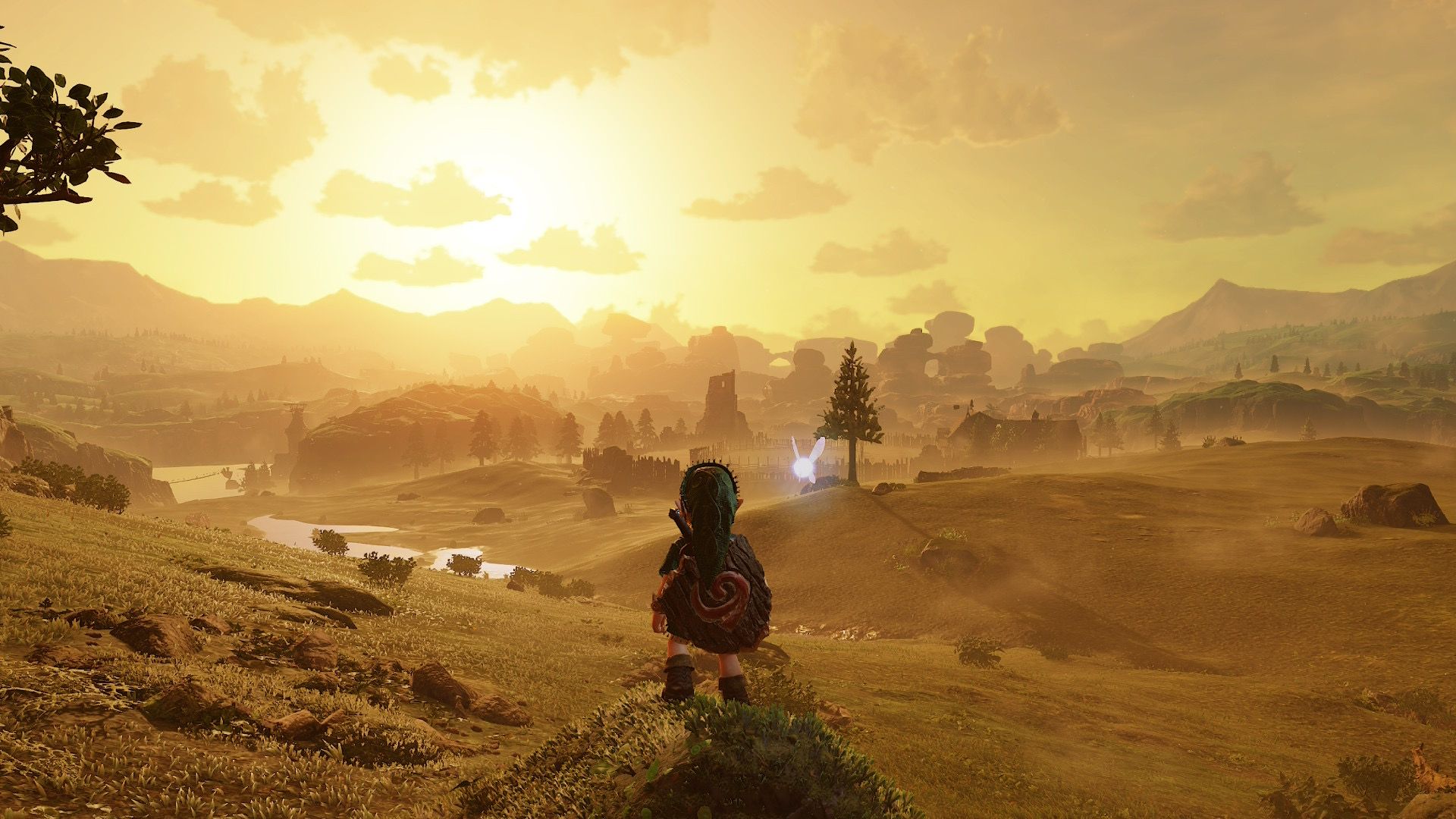
The Legend of Zelda: Ocarina of Time arrived on Nintendo Switch 2 a few days ago, and its remake adds a freely rotating camera, reworked controls and adjustments to several dungeons. One modern convenience, however, was built and then taken back out. According to jpgames.de, Zelda producer Eiji Aonuma revealed in the latest "Ask the Developers" installment that the team had planned a fast-travel system for the remake before deciding against it.
Aonuma said the suggestion was his own. He still remembers how players of the 1998 original would repeatedly roll across Hyrule Field to get from one place to another as quickly as possible, and he felt the new version needed to address that. He asked the team to add teleport points that had not existed in the original game.
Why it matters
Fast travel has become standard in open-world games, and fans have valued it since Breath of the Wild. Adding it to Ocarina of Time would have looked like an obvious modernization. The fact that Nintendo tried it and then reversed course says something about how the company weighs convenience against the design of a 1998 classic — and about what it believes makes that particular game work.
The test that changed the decision
The extra warp points were implemented, but when the team played the game with them in place, the result was not what Aonuma had expected. In his account, the teleportation removed the moments of discovery that come from stopping along the way and wondering what something is. Those small finds at the side of the road, he said, are an essential part of Ocarina of Time, and a player who jumps straight from one location to the next can miss them.
In the end the system did not convince the person who had proposed it. Aonuma said the teleportation simply did not work for him, even though the idea had come from him, and he had the additional fast-travel points taken out again. The travel options that already existed in the original remain untouched, jpgames.de reports.
Puppet theatres and practical effects
Nintendo also shared other development details alongside the release. Art director Aya Shida said the team drew on puppet theatre and classic films that rely on practical effects when shaping the remake's visual style. The aim was not to reproduce reality as closely as possible, but to build a fantasy world convincing enough that its characters seem to genuinely exist within it.
Nintendo has also published a new launch trailer for the Switch 2 version, giving players who have not yet returned to Hyrule another look at the reissued classic.
Watch for further "Ask the Developers" installments from Nintendo, which may shed more light on what else changed — or was changed back — during the remake's development.